
Royal Italian Silk – A History with a Vision
 The Italian Silk Factory in San Leucio was originally the hunting lodge to The Royal Palace “Reggia di Caserta.” Bourbon King Charles III left it in the hands of his son Ferdinand IV in 1759 when he became the King of Spain. On the cusp of the industrial revolution, Ferdinand transformed the Royal hunting lodge into a visionary silk-weaving village. San Leucio was a social and industrial experiment to create an ideal city around the Royal Silk Factory, known as “Ferdindopoli.”
Build It And They Will Produce Great Italian Silk
 The massive building complex, set on a hill, has a stunning panoramic view of Mount Vesuvius and Caserta. Entwined with inner courtyards and beautiful gardens, it is remarkable. The ground floor housed the silk factory, and the Royal family lived on the first floor. At the base of the hill, sit two sets of row housing. One on either side of the grand steps leading to the factory. These were the worker’s dwellings. Finally, the entire complex was walled and gated.
Luigi Vanvitelli designed the Aqueduct Carolino, and it is architecturally astonishing. Furthermore, it powered the machines that spun the silk, the entire village of San Leucio, and the Reggia di Caserta. Also, it is a World UNESCO site since 1997.
The Life Of A Silk Worker In San Leucio
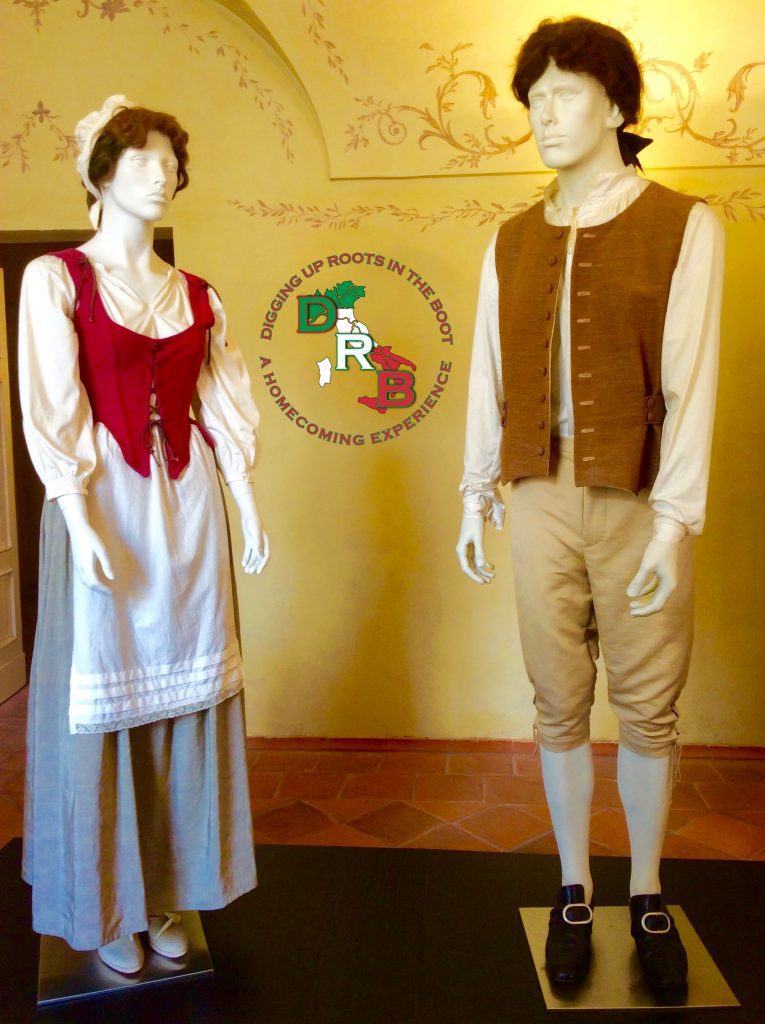 First, King Ferdinand believed that all employees should be equal and rewarded on the value of their work. They wore uniforms to avoid showing vanity or displaying wealth. Also, they advanced in their career by merit. Secondly, The King gave a new house to each married couple because there were no wills or dowries and the couples married freely. Their parents did not choose their spouses for them.
Furthermore, every child over the age of six years received an education. All families had an individual silk loom in their home. The king donated these looms to the family to pass the art of Italian silk weaving down to the next generation. Finally, the citizens of San Leucio received free medical care. Including, mandatory smallpox vaccines.
Men and women worked side by side through every step of the silk production process from farming the silkworms to weaving the textiles. Moreover, they earned their pay based on merit.
The Royal Italian Silk Factory Today Is A Museum
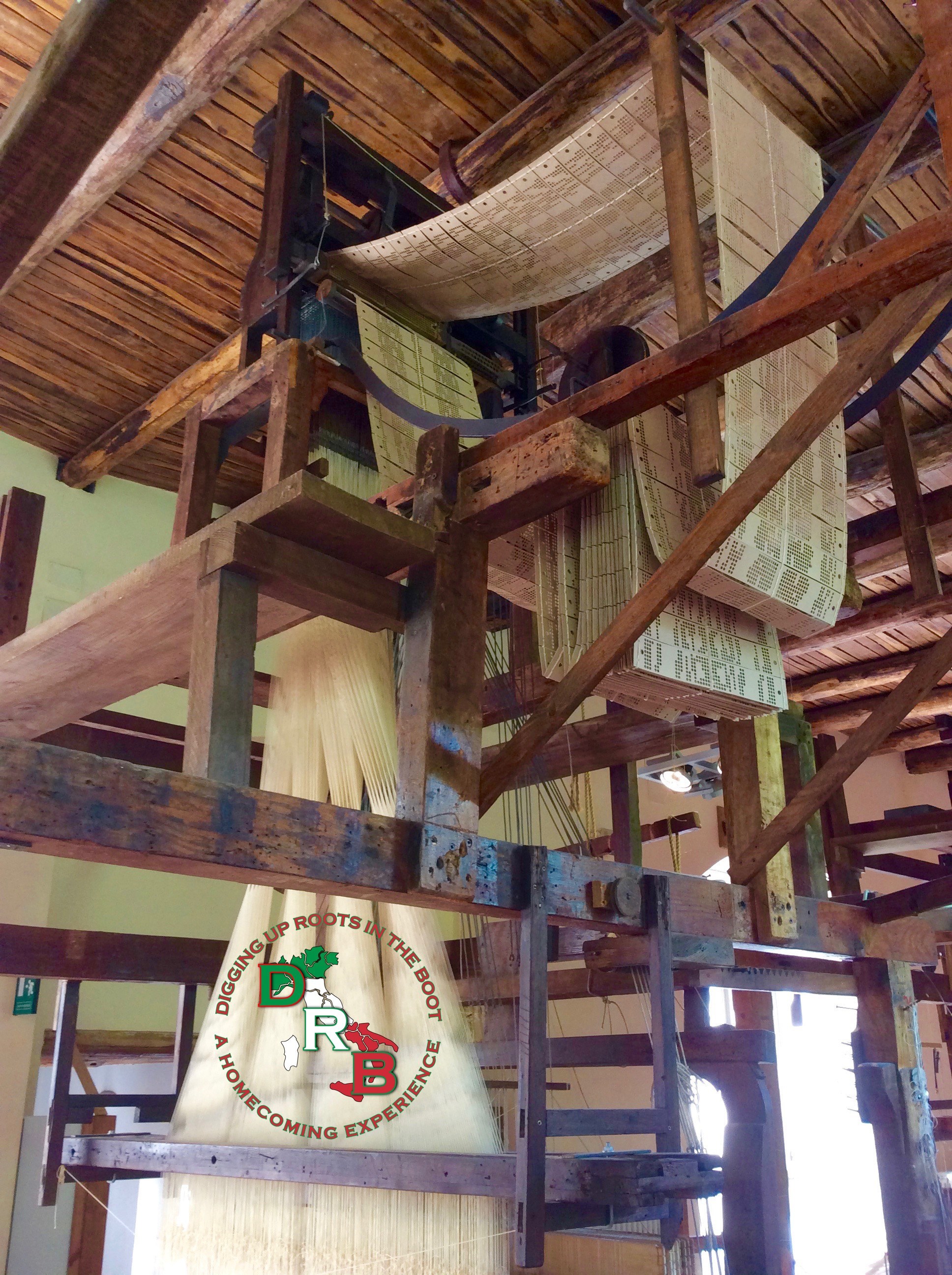 The recently restored Royal Italian Silk Factory is a UNESCO World Heritage Site. It is a one of a kind museum that offers an insight into how silk spinning turned industrial. There are full-size replicas of the water-powered machines that spin the silk onto reels. They are massive two-story structures that completed the task in a fraction of the time it took by hand.
Also, there is an original Jacquard machine. It is a mechanical loom that creates a model by punching holes into pasteboard cards. Each card corresponds to a row of the overall design. Stringing all the cards together creates the complete pattern. As well, You can see many examples of other original flawlessly functioning looms that demonstrate all the phases of industrial and pre-industrial Italian silk production.
On top of that, there are several exquisite samples of finely woven silk for internal wall coverings, furniture, bedding, and clothing. Unquestionably, these are the Italian silk products that brought recognition and fortune to King Ferdinand and his visionary village of San Leucio.
Touring The Silk Factory and Royal Apartment
To wrap up, Caserta is not too far off the beaten path. So, if you are planning a heritage tour to Naples and have an extra couple of days, you might want to think about a side trip. Visit the Reggia di Caserta and San Leucio. The Royal Palace, Italian silk factory, and Royal apartments are open for guided tours every day, except Tuesdays. Have you visited either one of these UNESCO sites? Do you have roots in Caserta?

Very interesting. I recall seeing some beautifully woven silk tapestries from the Royal Factory in Naples’ Palazzo Reale. Calabria used to have a big silk industry as well, and there are now several young people trying to revive it.
Karen, Calabria’s silk industry thrived for many years. Here is a link I filmed of Miriam Pugliese (she is one of the young Calabrians that you are referring to) giving a demonstration in San Floro’s silk museum on how to spin silk https://www.youtube.com/watch?v=6-wukINfbyY